
Project Enlist Canada
Accelerating TBI, PTSD, and CTE research in the military community.
Critical Research
What is Project Enlist Canada?
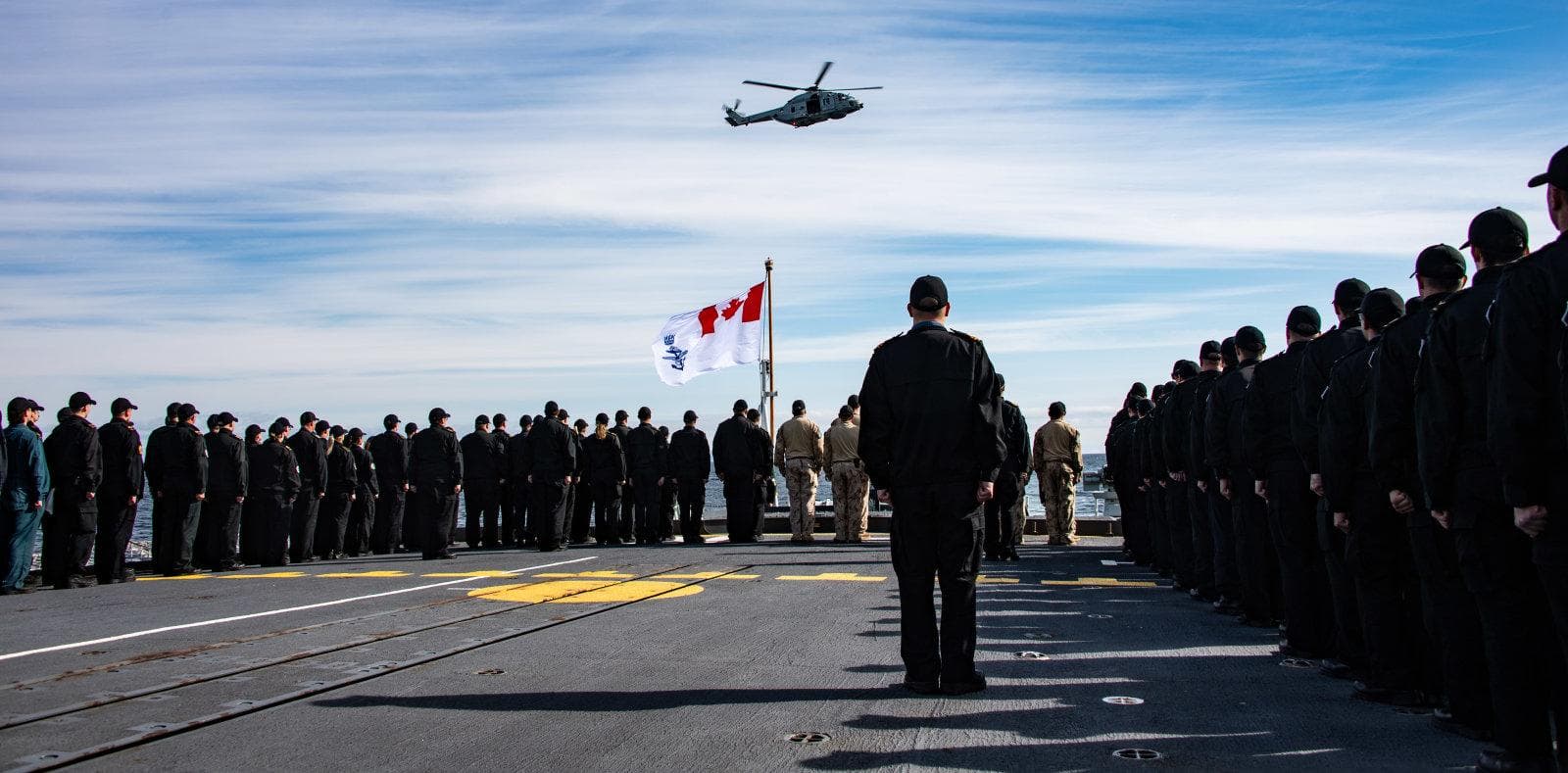
Project Enlist Canada is a catalyst for critical research on Chronic Traumatic Encephalopathy (CTE), Post-Traumatic Stress Disorder (PTSD) and traumatic brain injury (TBI) in military Veterans and service members.
TBI due to blast injury or exposure, as well as other service-related causes, is a significant problem in the military community. However, the scientific understanding of TBI and related disorders is in its infancy, and we lack both effective treatments and active diagnostic testing for living patients.
Brain bank research is an essential step in developing effective treatments for TBI, CTE, and PTSD so we can protect and support the heroes who courageously fight for our nation.
RESEARCH ACCELERATION
Pledge Your Brain to Accelerate Military CTE Research
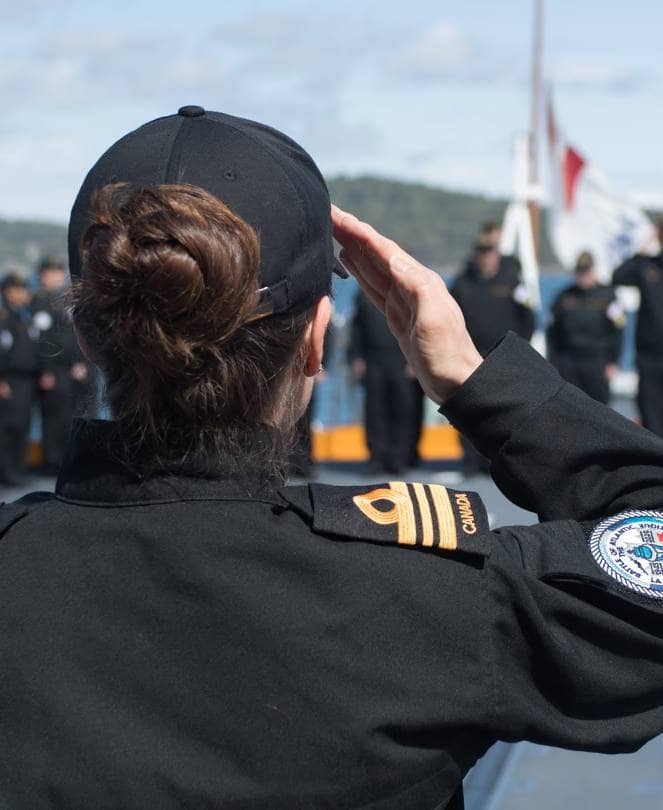
Project Enlist is recruiting and conducting outreach to the military community to encourage Veterans and service members to sign up for the Canadian Concussion Centre Research Registry.
World renowned neuropathologist, Dr. Gabor Kovacs, leads the collaborative research effort made possible by pledges to Project Enlist Canada. To date, over 400 Canadian Veterans and service members have taken the pledge.

Here to support those who sacrificed for us.
RESOURCES & SUPPORT
Operation Brain Health
Brain injuries don't control your future. Whether you need a support line, a resource library, or peer group coaching, we have your back.
OBH Support Line
If you or someone you know is a Veteran or service member struggling with the effects of brain injuries, the Operation Brain Health Support Line is here to support you.
Operation Brain Health
Powered by courageous volunteers and with the assistance of our medical experts at CAMH, Operation Brain Health is our library of brain health resources designed for members of the military community and their loved ones.
OBH Group Coaching
If you or someone you know is a Veteran or service member struggling with the effects of brain injuries and looking for a community to connect with, the Operation Brain Health Group Coaching are here to support you.
Why Brain Donation is Critical
Brain donation accelerates CTE research. By demonstrating how the condition affects hundreds of athletes, we have inspired the scientific community to invest in this field.
CTE also affects Veterans worldwide. We are committed to accelerating research for Canadian service members to support those who dedicated their lives to serving.
Our partners at the CAMH Brain Health Imaging Centre are working toward an in-life diagnosis and a cure. Brain donation unlocks these discoveries and deepens our understanding of military brain trauma.
Learn How Canadians Accelerate Research
Closing the Gender Gap in Research
The Concussion Legacy Foundation Canada is closing the gender gap by partnering with researchers who prioritize gender equity and address female underrepresentation.
Project Enlist Canada encourages female Veterans to share their injury history. Retired Medic Sgt (R) Alannah Gilmore pledged her brain for future generations, explaining why studying the female brain is vital.
Help us achieve equity: if you or a woman you know is interested in clinical research or brain donation, take the pledge.
Pledge Your BrainMWO Brendan Hynes on Why He Pledged his Brain
MWO Brendan Hynes pledged his brain to Project Enlist Canada to help understand how traumatic brain injuries impact those who served. In this video, Brendan explains his "why" and how his daughters saved his life. (Warning: mentions suicide).
Over 400 Veterans have pledged so far. If you served, Project Enlist is another opportunity to fight for the men and women who defended our country alongside you.
Pledge Your BrainA GROWING CONCERN
The Military and TBI
Traumatic Brain Injury (TBI) is the signature wound of modern warfare, with up to 35% of Canadian Armed Forces members and Veterans living with the impacts of concussion. This number is likely higher due to underreporting and has devastating impacts on our service members.
The most common causes of TBI in Veterans include blasts from IEDs, combat-related falls or accidents, and vehicle crashes. These injuries can range from mild concussions to severe brain damage, leading to long-term physical and psychological consequences.
Another major concern is the long-term effects of TBI on the brain. Research has shown that repeated blows to the head, such as those experienced in combat, can lead to CTE and other degenerative brain diseases. These conditions can manifest years or even decades after the initial injury, causing severe cognitive impairment and behavioral changes.
One of the major challenges in addressing TBI and CTE among military members is the lack of awareness and understanding of these conditions. Many service members may hesitate to report their symptoms, fearing it will negatively impact their career or deployment status. In other cases, symptoms may be misdiagnosed or dismissed as common mental health issues.
The prevalence of TBI in Veterans has also led to a growing concern for the long-term care and support of these Veterans. As they transition back into civilian life, many may struggle with physical disabilities, cognitive impairment, and mental health issues related to their TBI.

SUPPORT OUR MISSION
Help Us End Brain Injury.Donate Today.
Your contribution directly fuels life-saving research and provides essential support to kids, Veterans, caregivers, athletes and families across Canada facing the challenges of brain injuries.